Claire Simpson Studio · Interior Design & Design-Led Hospitality
Rooms built outward from a single, well-chosen thing.
For thirty years I've designed interiors and the places people travel to stay in. I begin each room with one sympathetic hero, often an antique, and let the scheme collect itself around it.
Lapwing House
A Grade II listed house dating to 1744. Ironstone walls, reclaimed oak, and a carpenter's bench put to work as a kitchen prep table. I kept what the building already was, and built the rooms around it rather than over it.
The house feels like itself again.
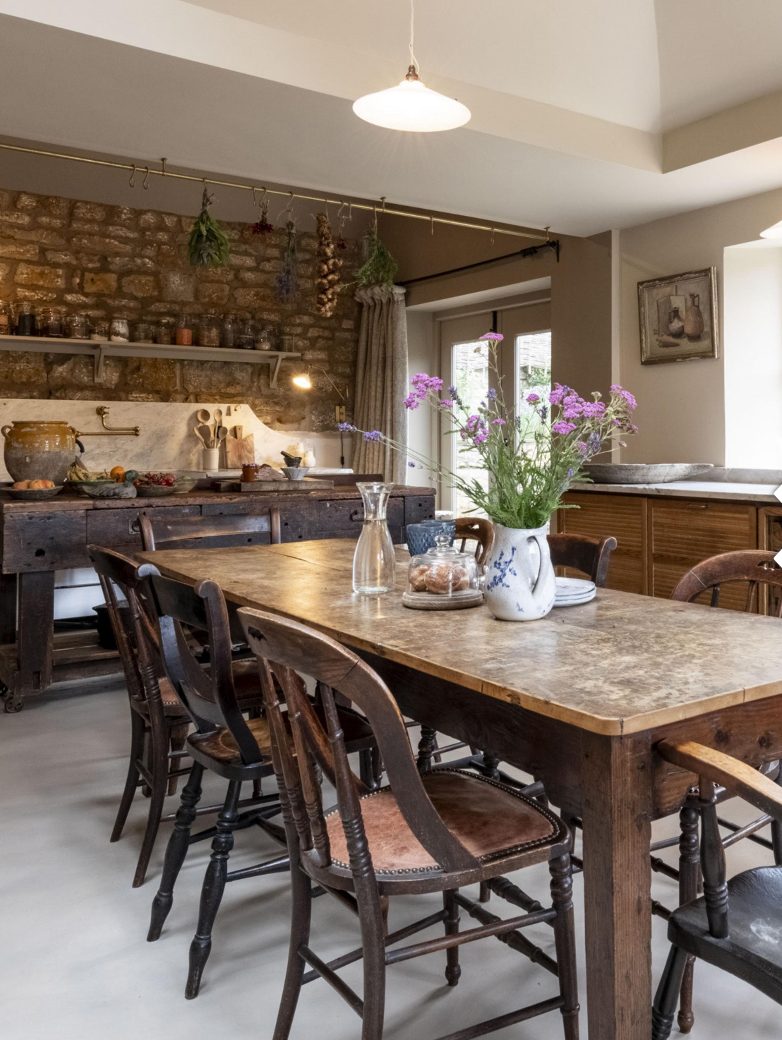
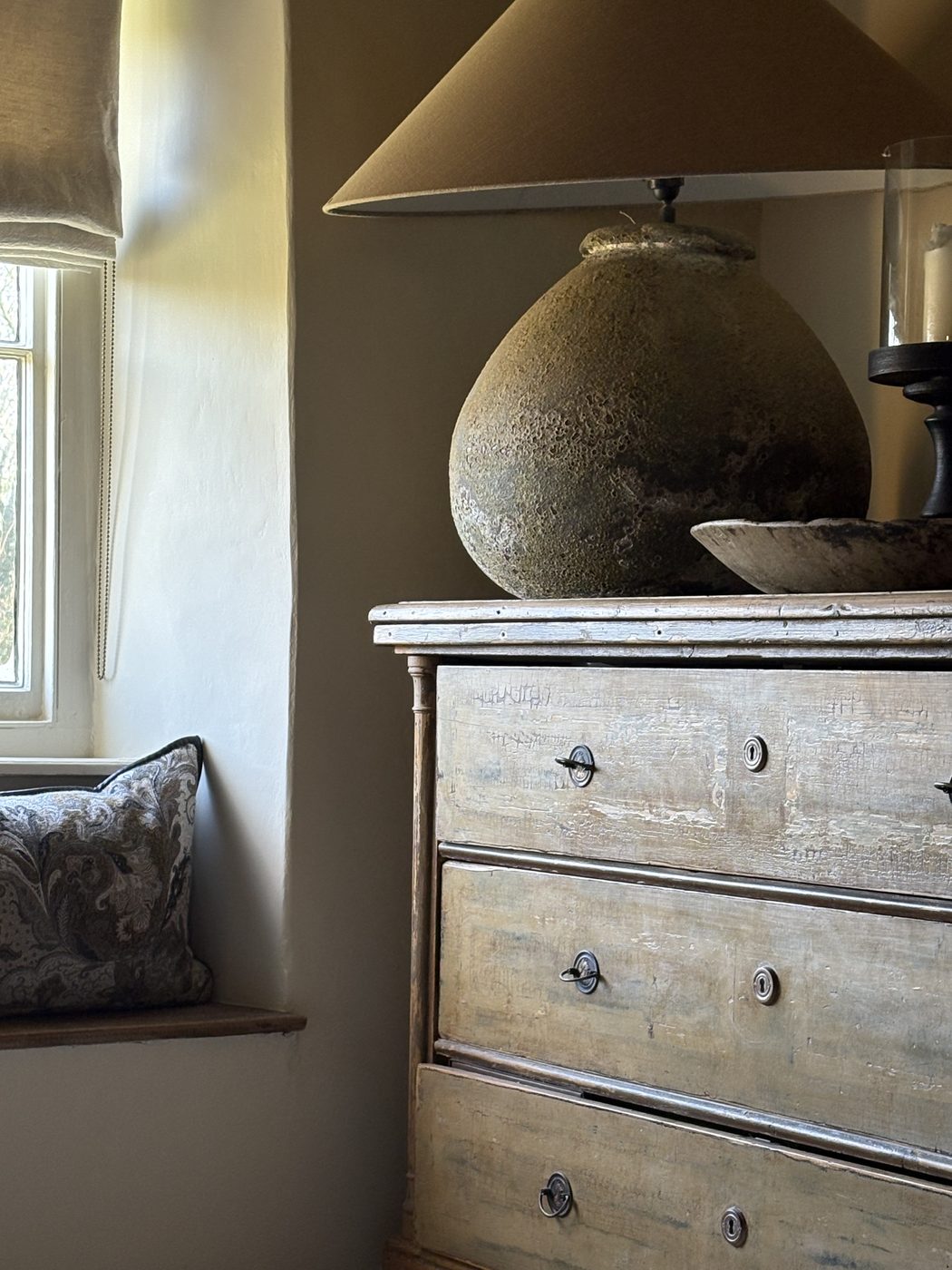
The anchors: a two-plank sycamore table from a country-house scullery, and a Hungarian chest in its original ochre and green paint. Each room built outward from one kept thing. Around them, antique chairs, stone bowls and collected French dairy pots.
Detail studies
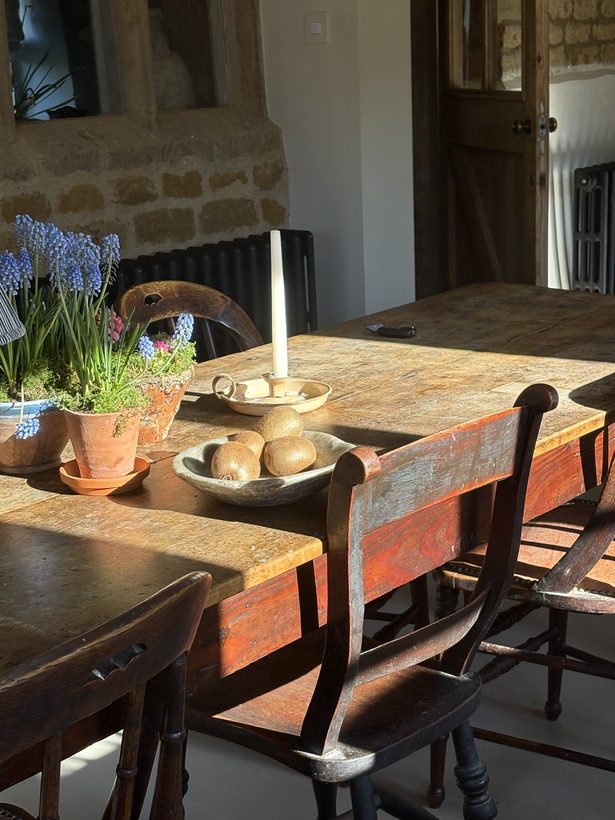
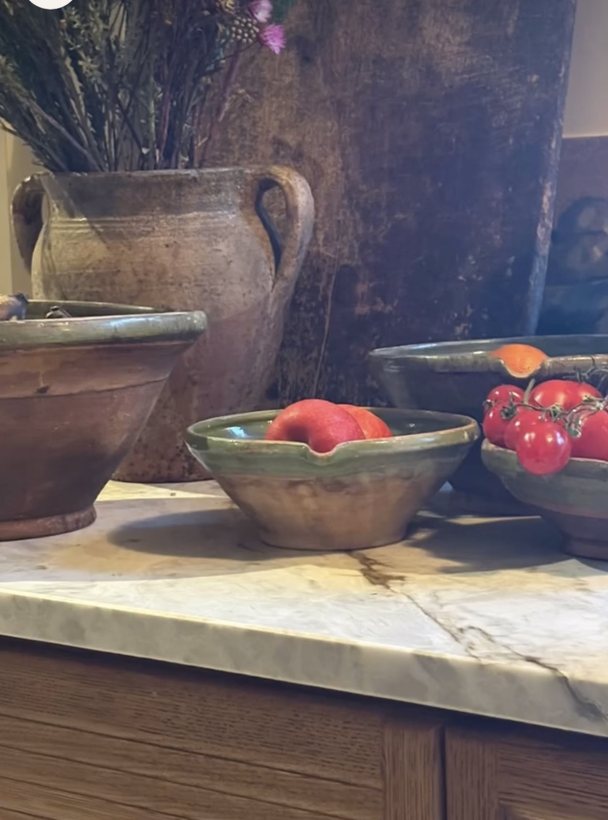
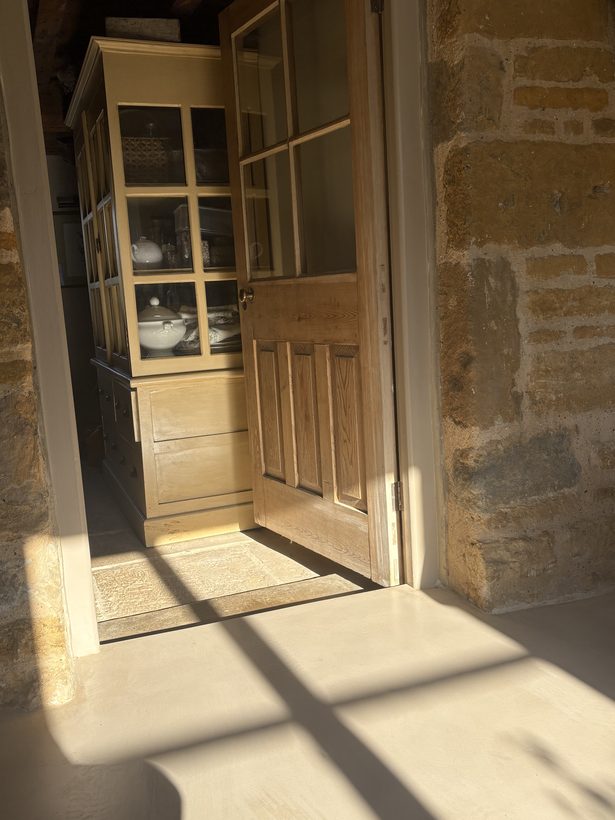
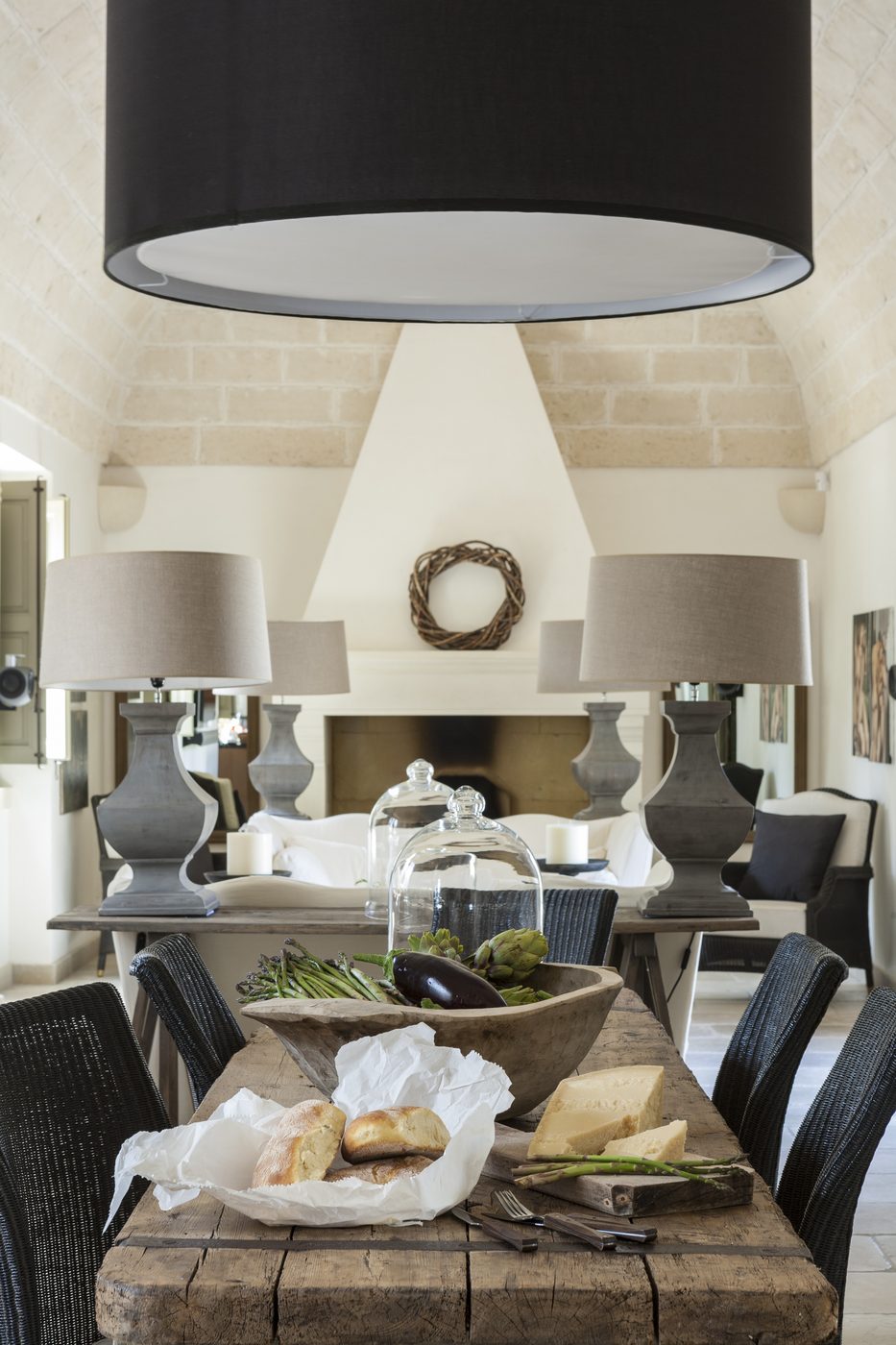
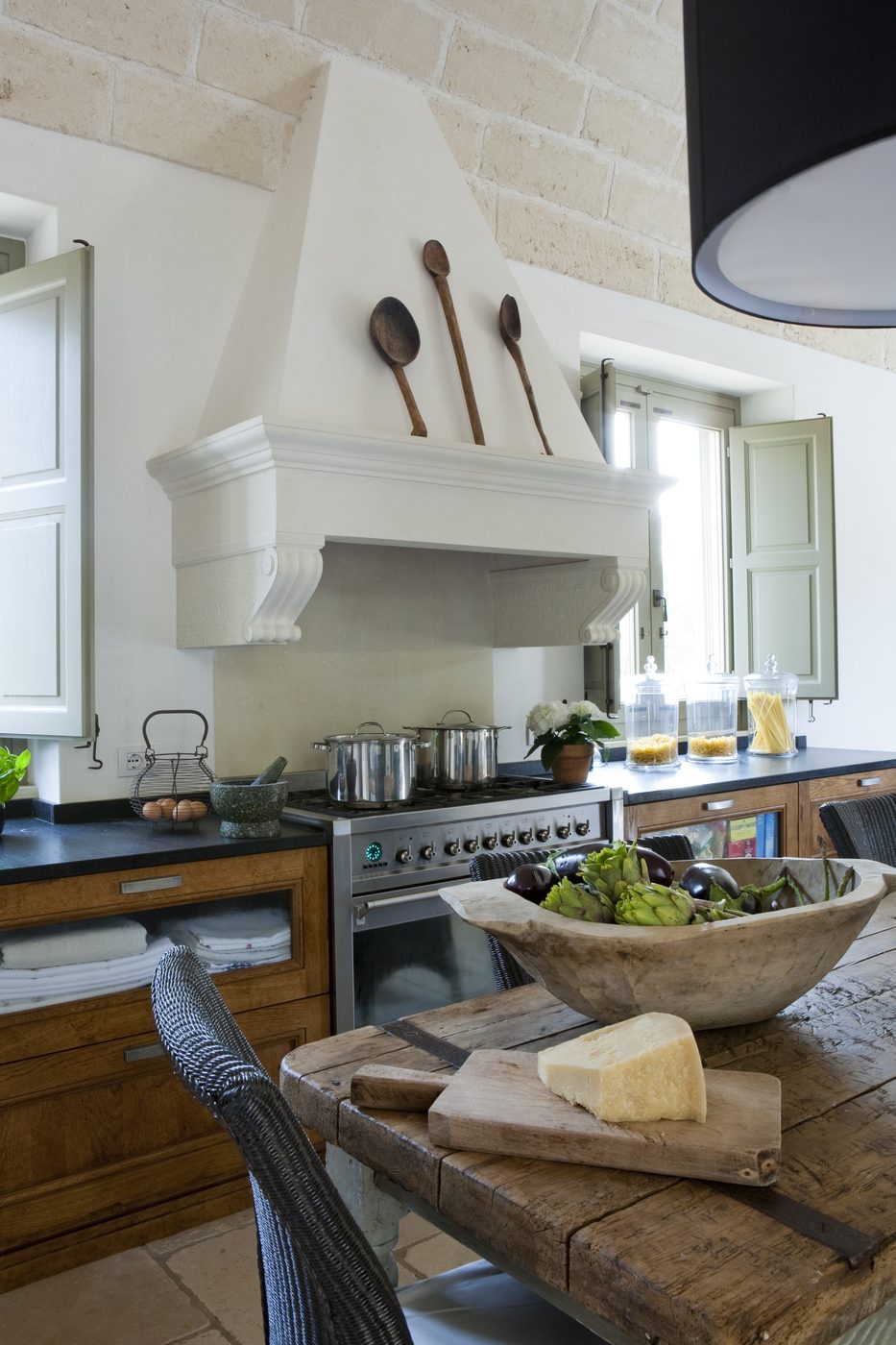
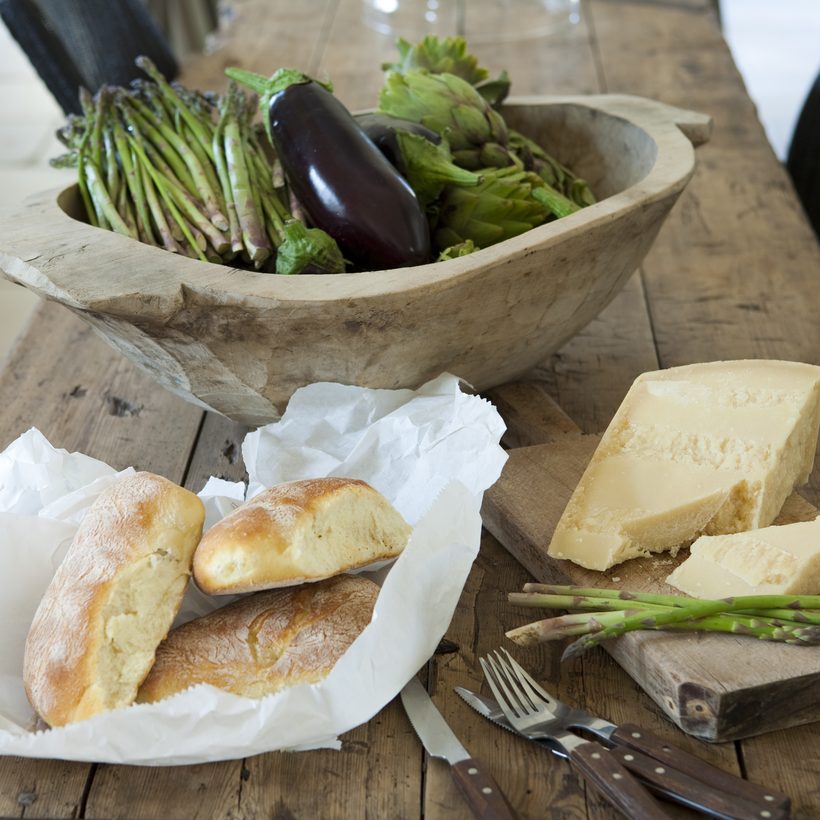
The anchor: the table, an old door from the Pyrenees, its great planks and iron strapping kept intact. The room was built outward from it, alongside antique wooden serving spoons, a Hungarian dough bowl and a French chopping board.
Detail studies
Masseria
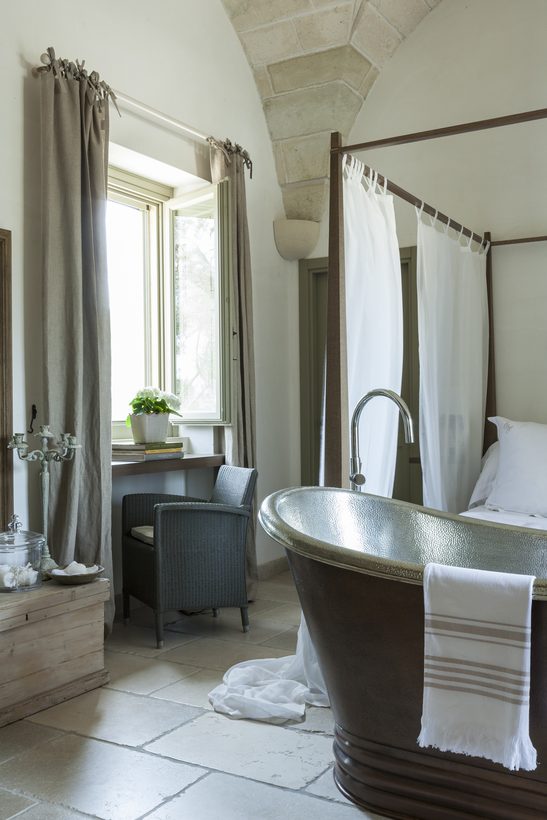
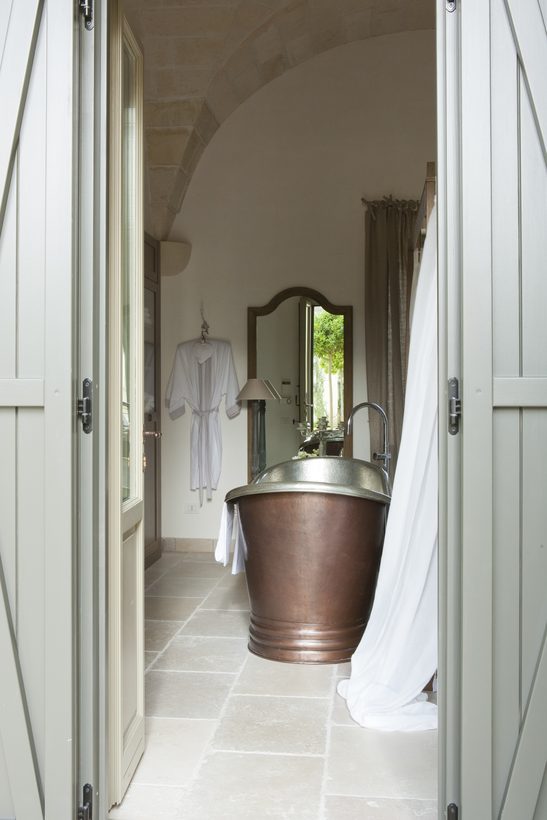
A masseria on five acres of ancient olive grove in Puglia, built with local craftsmen and materials drawn from within twenty miles: stone, lime and timber, all native to the region.
Masserias were the great agricultural estates of sixteenth- and seventeenth-century Puglia, fortified farmhouses raised in thick limestone, with watchtowers and inner courtyards to keep workers and harvest safe from coastal raids.
Though newly built, it followed the old ways throughout: lime-plastered walls, star-vaulted ceilings in the indigenous stone, floors of locally quarried stone, and a fireplace made to replicate an original.
Featured on the cover of Homes & Gardens.
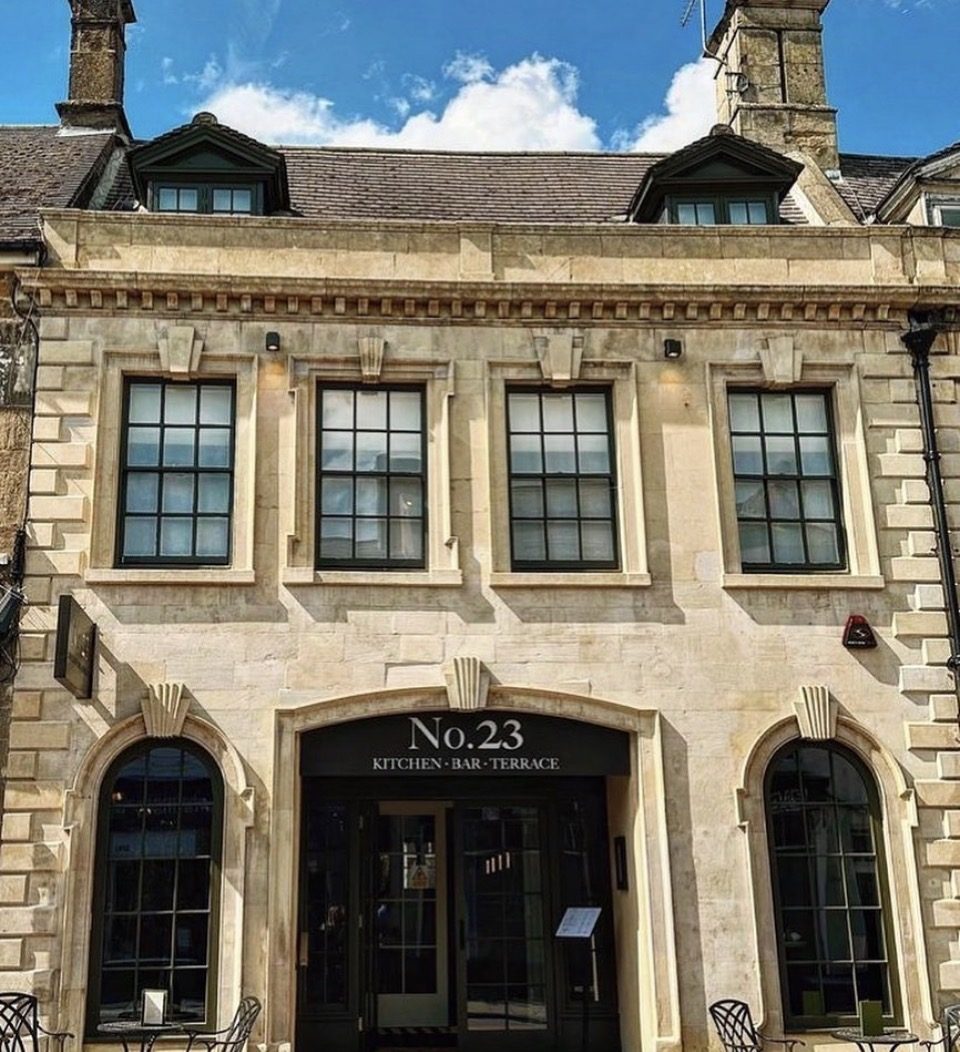
No. 23
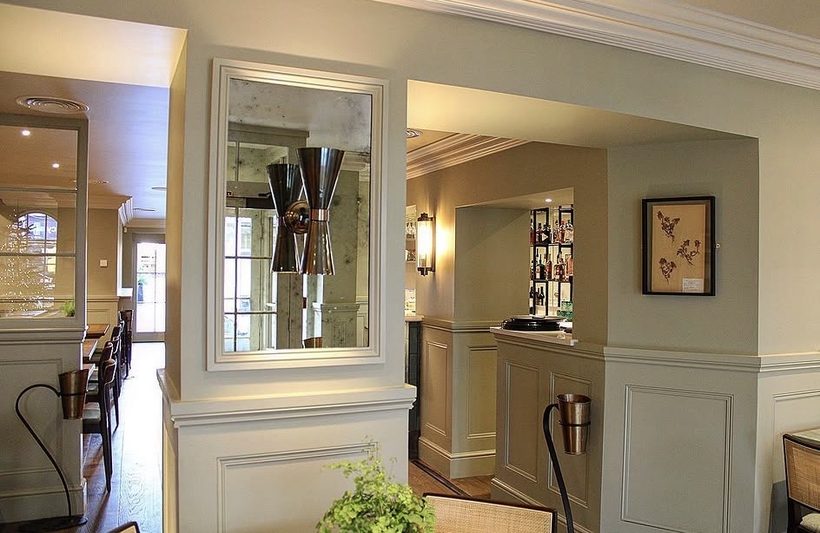
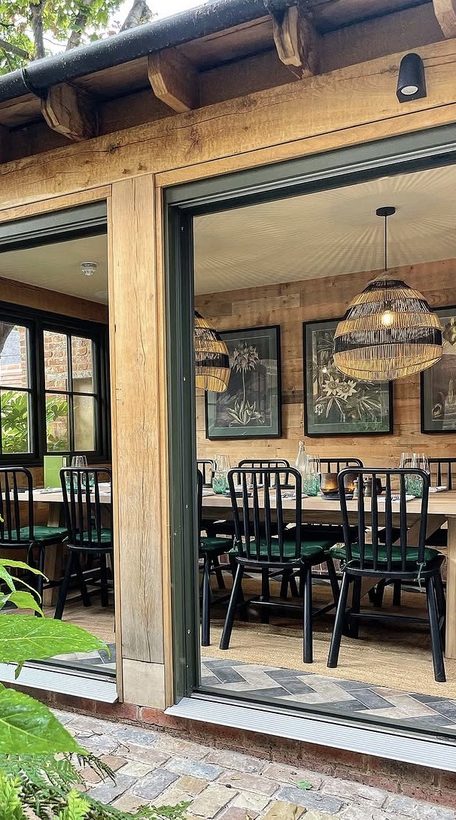
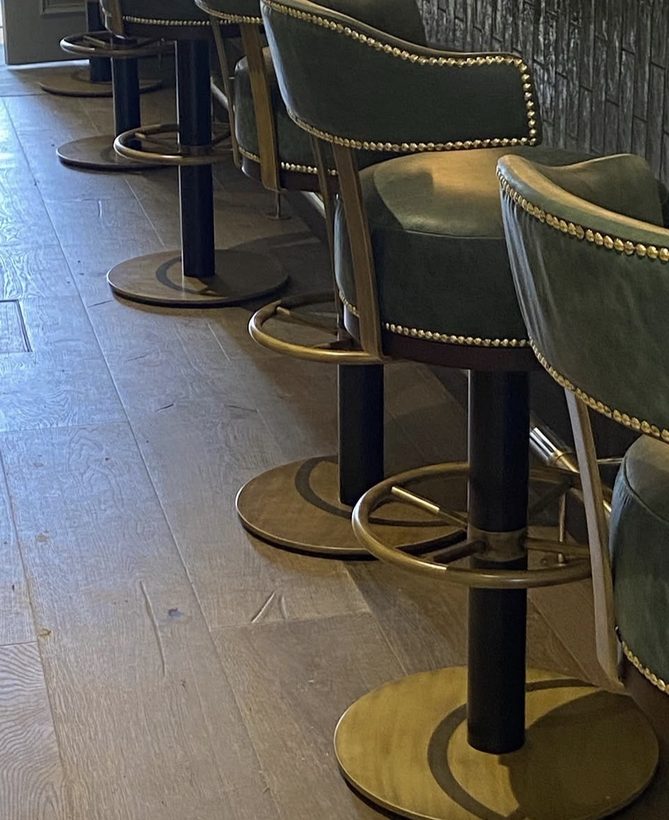
A kitchen, bar and terrace behind the handsome façade of a three-hundred-year-old, Grade II listed Georgian building: soft green panelling, studded leather, botanical pictures and an olive tree set in an arched window. A dining room composed to feel collected, not fitted out.
The kind of place people come back to.
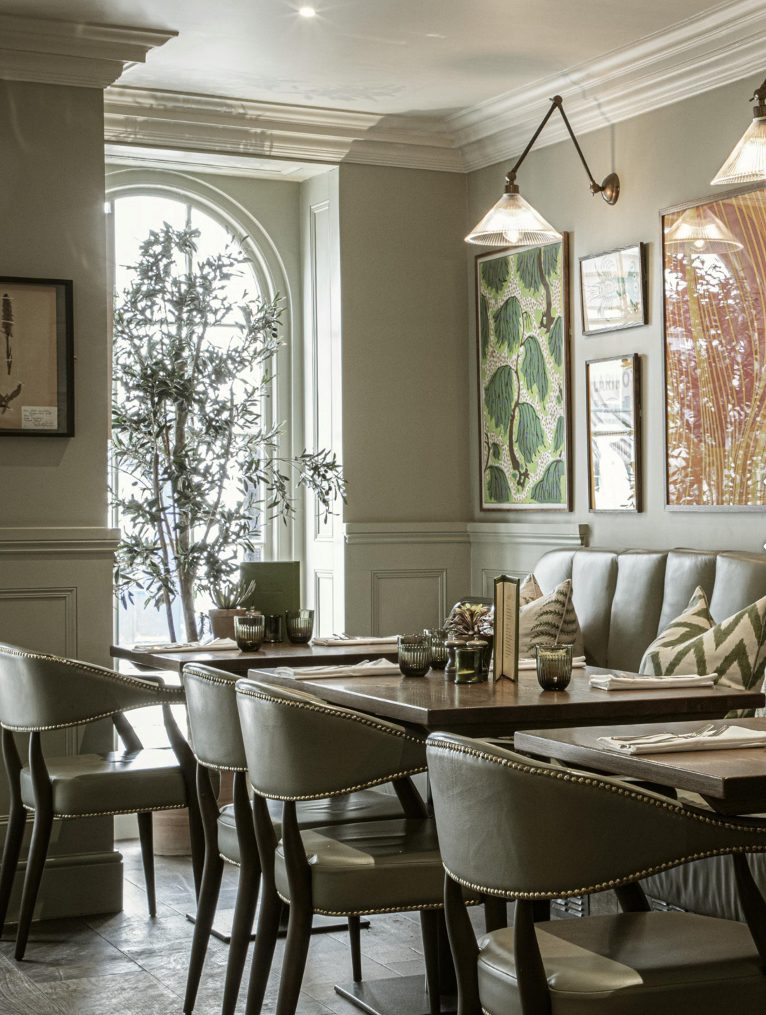
The anchor: the Georgian bones, styled with a collector's eye: arched windows, an old mirror, botanical prints, and a wall of antique confit pots and oil pourers.
Detail studies
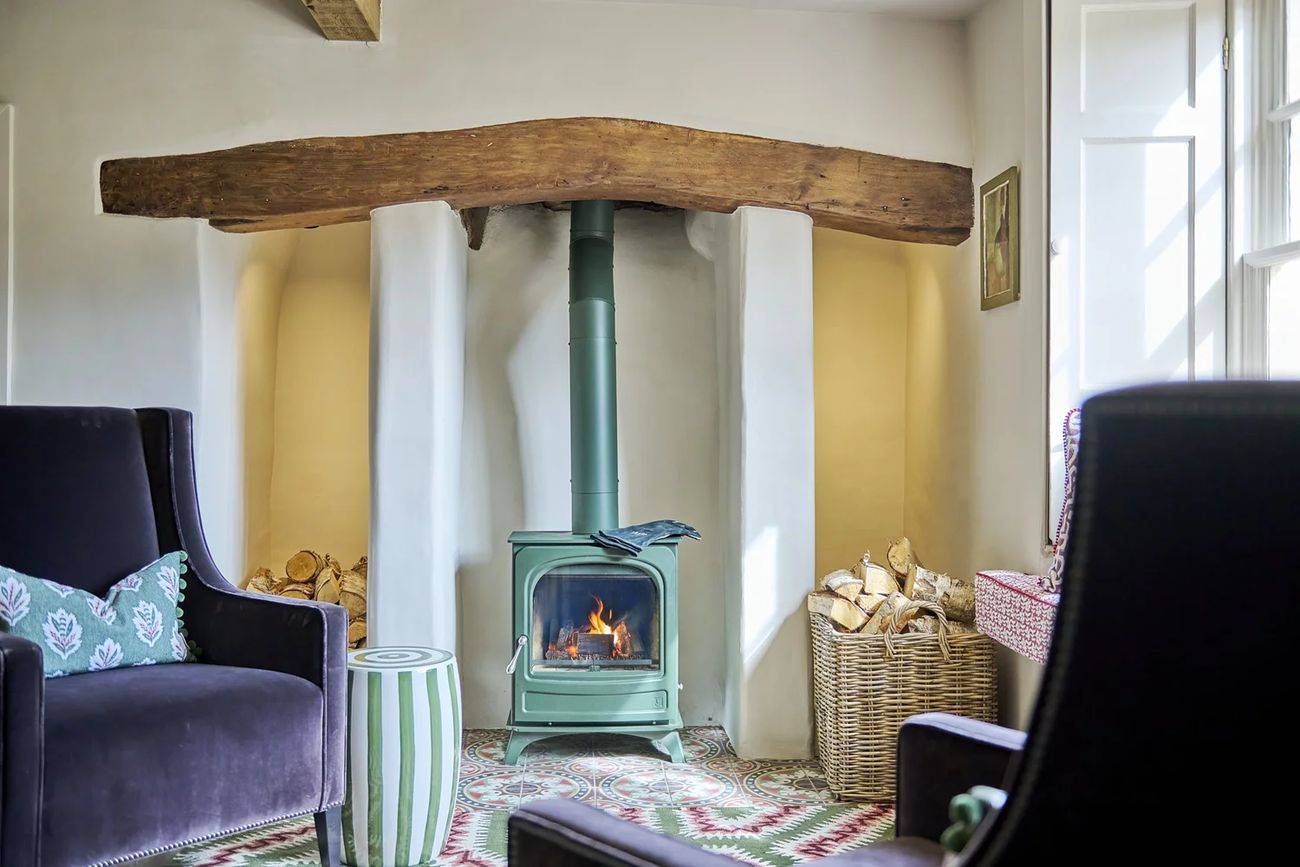
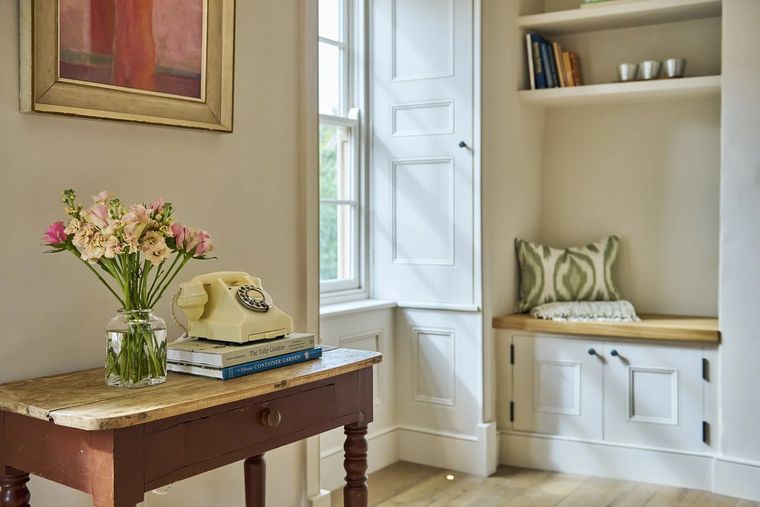
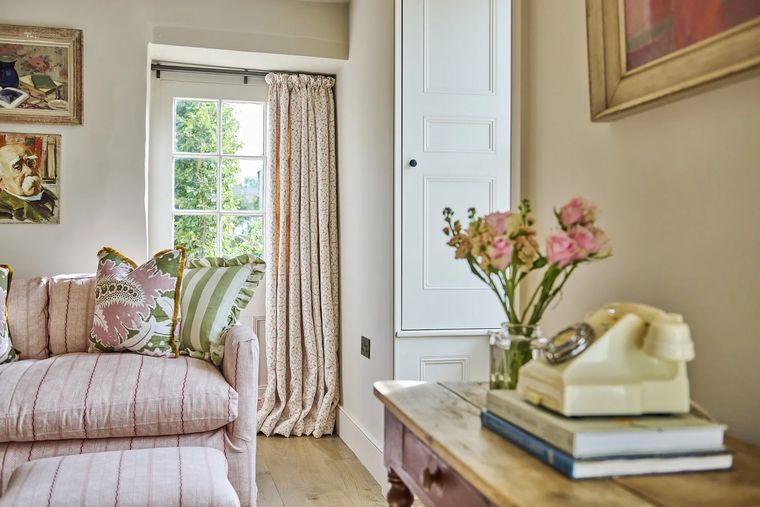
The anchor: a prep table kept in its deep, original oxblood paint. Around it, the building brought back: the inglenook uncovered, the original shutters restored, artwork carefully sourced, antiques blended in.
Detail studies
The Shambles
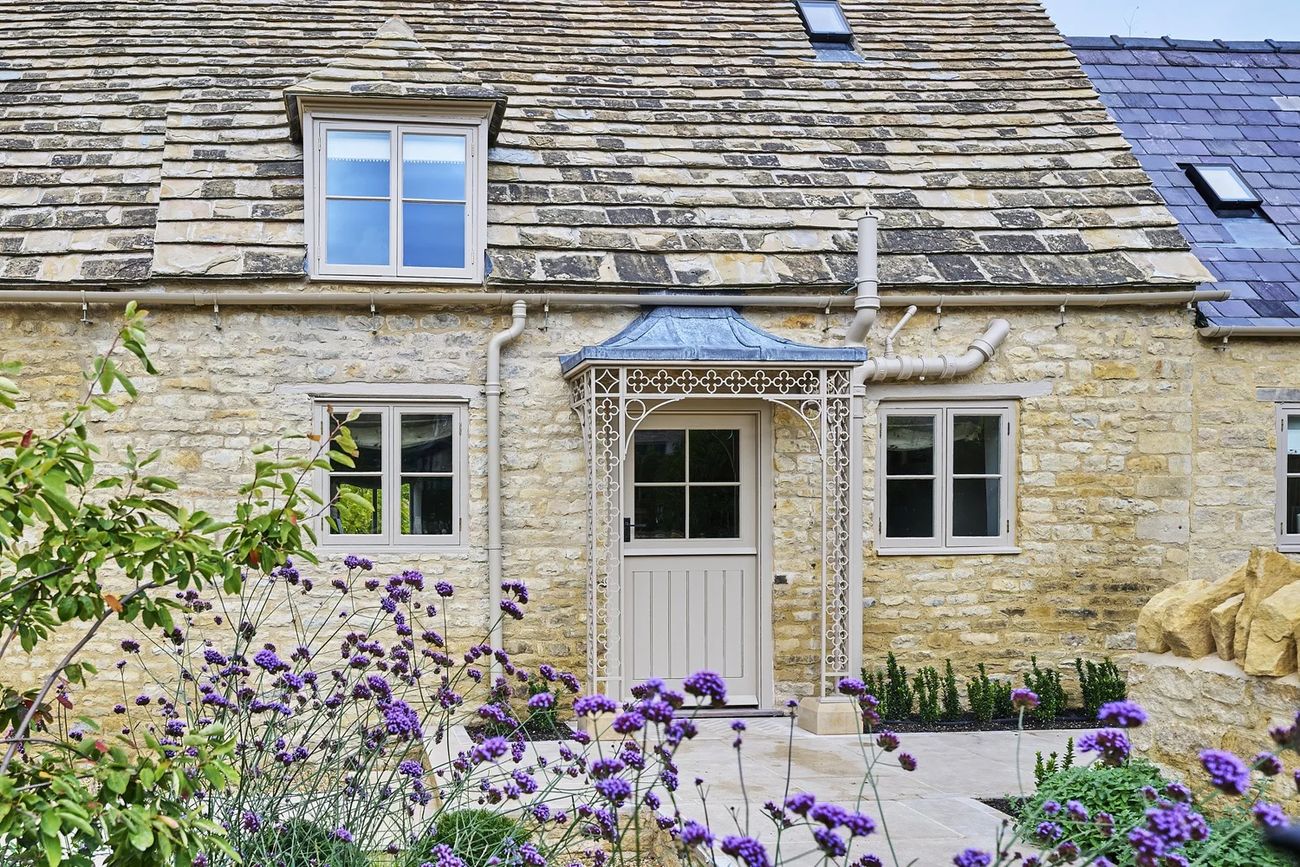
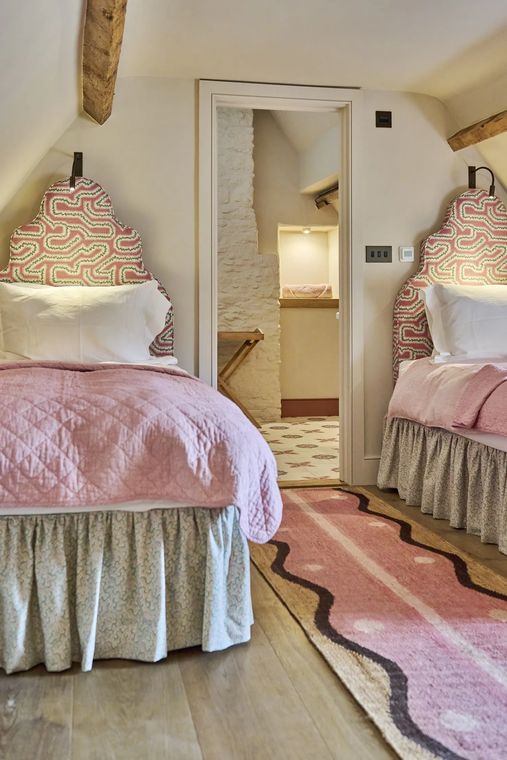
A Grade II listed, mid-eighteenth-century two-bedroom cottage of Bulwick ironstone under a Collyweston slate roof, designed room by room: hand-blocked prints, a wood-burner set into a beamed inglenook, and layers of pattern that settle rather than shout.
It feels like a home, not a let.
The Nevill Arms
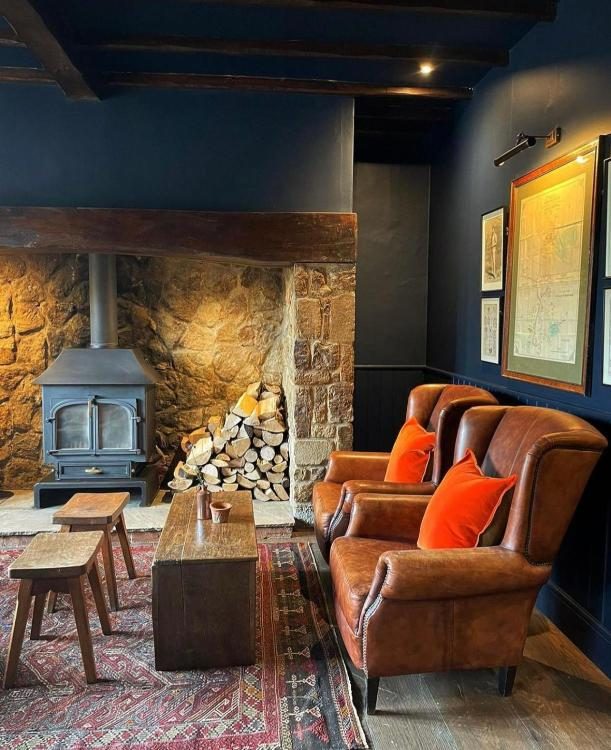
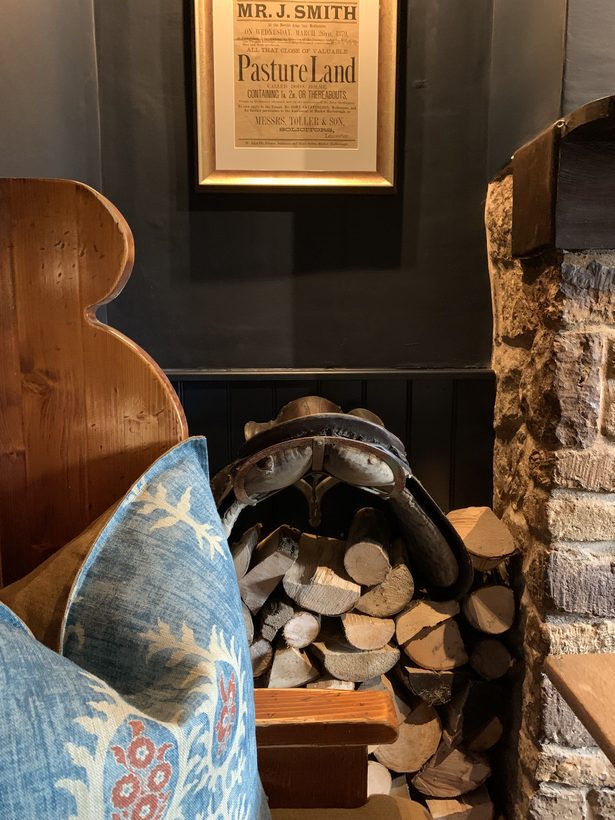
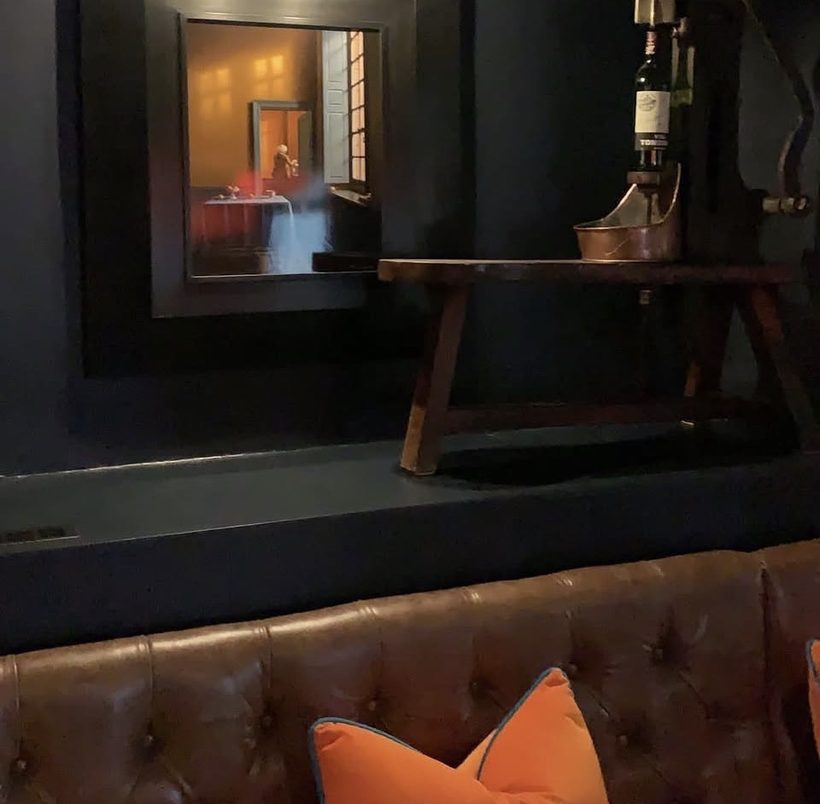
A country inn given its full interior scheme for The Three Goats Group, with inky-toned walls, a stone inglenook and wood-burner, and antiques layered against the stone with a collector's eye: leather club armchairs, Yorkshire milking stools, an antique rug and an original French wine corker. On the walls, framed photographs of the bottle-kicking, the generations-old contest the pub sits at the heart of.
The whole palette was drawn from a single painting, La Fenêtre by the French artist Pierre-Yves Russo, which hangs in the room.
Named in The Daily Telegraph's Best 250 Hotels in the UK.
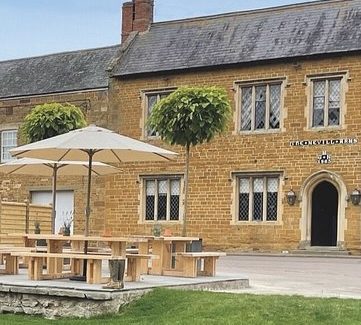
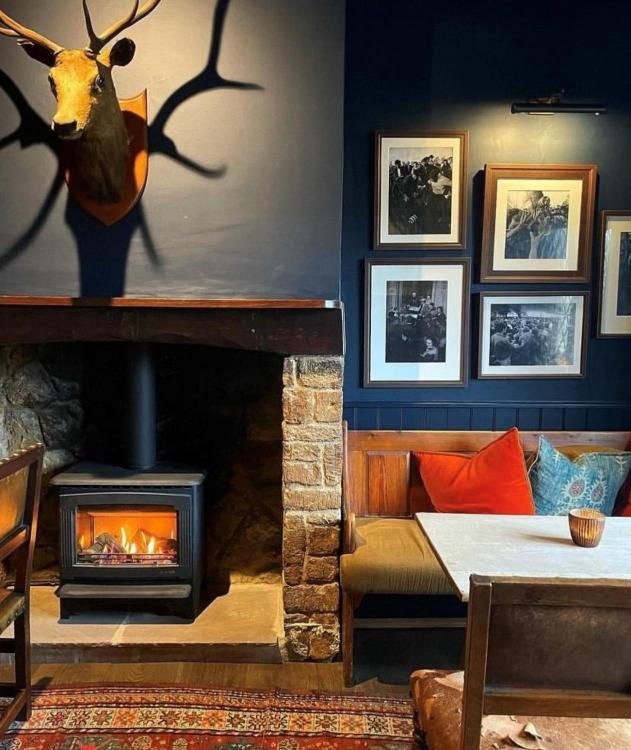
The anchor: a seventeenth-century Welsh oak coffer. Around it, a stag's head centre stage above the inglenook and an old leather saddle on the log store.
Detail studies
The Studio
AboutThirty years of interiors, built one considered thing at a time.
I trained at the KLC School of Design in London, and have worked since on private houses, heritage restorations and design-led hospitality, from Rutland to Puglia.
My way of working is simple. I begin each room with one sympathetic thing, usually an antique, and let the scheme gather around it. I keep what a building already is, and design outward from there rather than over it.
The aim never changes: rooms that feel settled, that you want to linger in, that feel as though they were always this way.
Practice
What I doInterior Design
Full schemes for private residences: concept, sourcing, and the coordination of makers and trades, room by room.
Heritage Restoration
Sympathetic work on listed and period buildings, keeping what is already there and letting the design follow the fabric.
Design-Led Hospitality
Inns, restaurants and places to stay, composed to feel collected rather than fitted out.
Stays & Escapes
Places to staySeveral of the studio's projects are places you can actually stay.
The inns, cottages and houses shown here were made to be lived in, not only looked at.
A small collection of the studio's own escapes, added here as each one opens.
Press
SelectedContact
EnquiriesFor new projects and considered commissions.